When the Strait of Hormuz is disrupted, the risk is not limited to fuel. Roland Berger notes the corridor is one of the world’s most important maritime chokepoints, carrying around 30% of global seaborne oil trade and roughly 20% of LNG flows each day. The same analysis stresses that Gulf exporters also ship industrial inputs such as sulfur, urea, polyethylene, helium, and aluminum through this route. Supply Chain Management Review similarly describes Hormuz as handling more than 20% of global oil and natural gas shipments and as a corridor for petrochemicals and fertilizers. For companies building continuity plans, this means routing decisions for energy, chemicals, and manufactured goods are tightly linked.
The problem is that “just reroute it” often fails in practice. Roland Berger states current pipelines can reroute only about 15–20% of the oil usually shipped by sea, and it adds there are no meaningful strategic reserves or scalable alternatives for many chemicals and critical materials. A separate source frames the Strait as the only maritime entry and exit for the Persian Gulf, emphasizing that once a ship is inside, there is no other sea exit. That inelasticity is why disruptions can quickly spread into fertiliser, food production, and industrial supply chains, as also highlighted by Supply Chain Digital. In this context, resilience becomes an architecture choice made before crisis conditions, not a last-minute workaround.
How Saudi Red Sea Gateways Create Real Routing Options
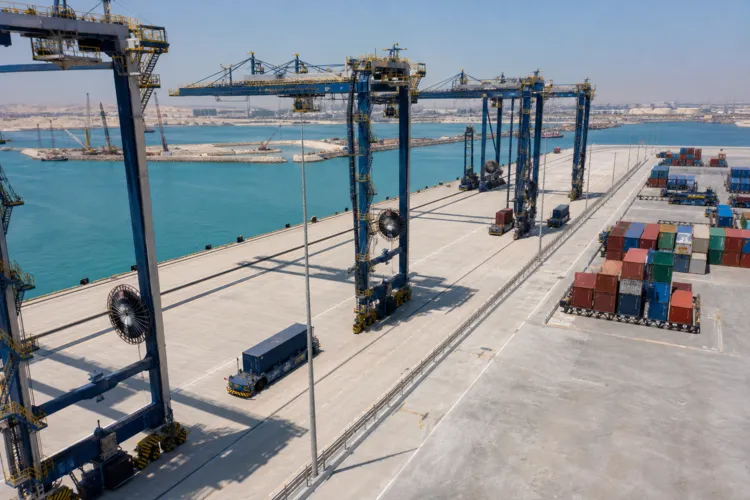
Saudi Arabia’s Red Sea gateways matter because they enable a bypass that does not depend on the Strait. CE Interim reports that Saudi Arabia’s East-West pipeline to Yanbu carries crude from the Eastern Province to the Red Sea and has been operational since 1981. It argues that during the 2026 Hormuz crisis, this bypass was the difference between maintained oil exports and zero. Another source states Saudi Arabia diverted approximately 2 million bpd through the East-West pipeline to Yanbu, while also cautioning that this represented about one-fifth of total capacity. The strategic point for shippers is not only volume, but option value: a functioning alternative corridor changes how fast a supply chain can stabilize.
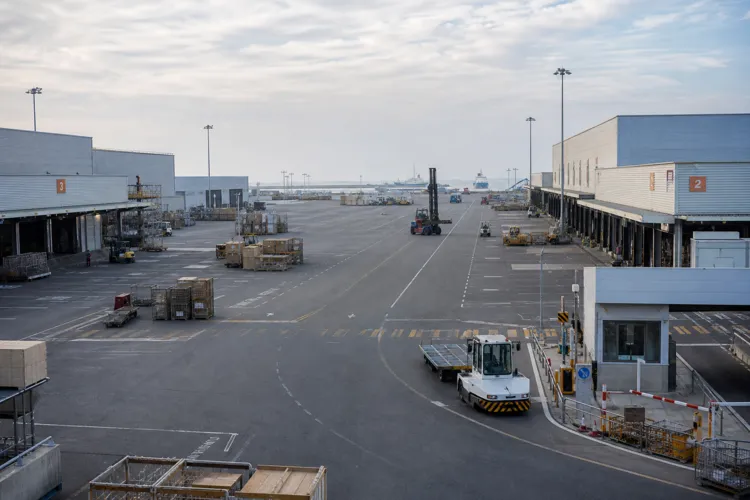
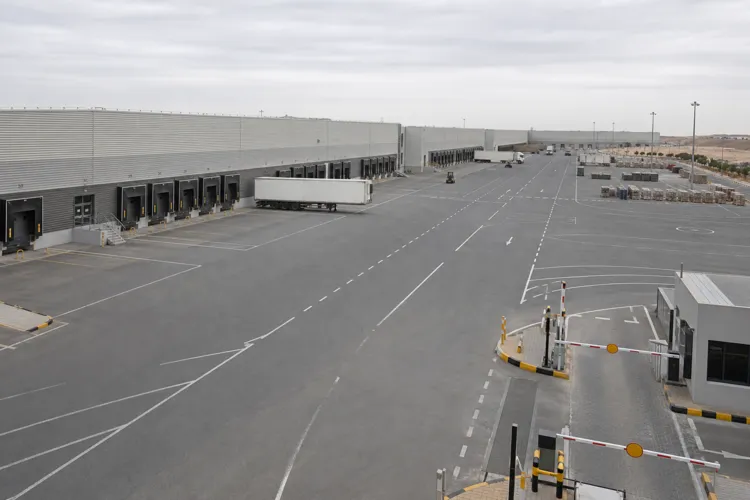
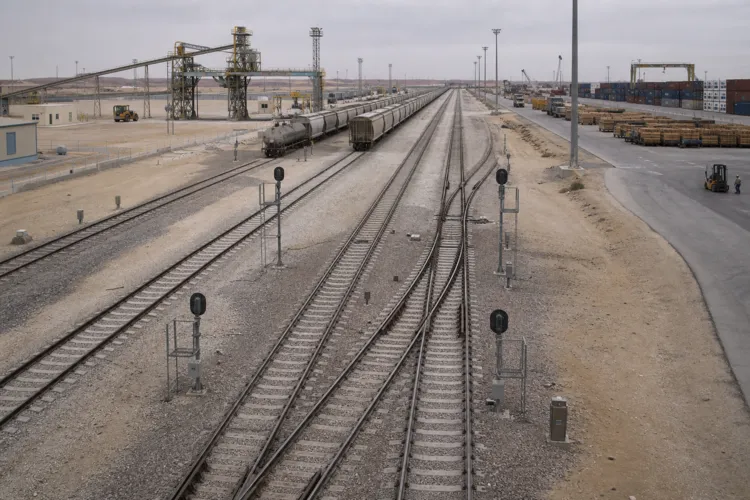
For containerized and general cargo, experts describe two practical ways to keep serving the Gulf region when Hormuz is threatened. Lars Jensen, CEO of Vespucci Maritime, says carriers can sail to the southern ports of Oman outside the Gulf and then move cargo overland, or sail into Saudi ports in the Red Sea and move cargo overland; he notes this is already happening. This dovetails with the broader insight that the indirect effects can outsize the regional container impact, because disruptions can amplify cost and reliability risks across networks. Supply chains that pre-negotiate inland transfer capacity and standard operating procedures can convert these “already happening” workarounds into repeatable playbooks.
Even after passage improves, the recovery can be uneven and slow. Supply Chain Management Review warns leaders not to mistake reopening for a return to normal and quotes project44’s Eric Fullerton on operating in a “never-normal” environment. It gives a concrete example: India’s Navi Mumbai port experienced dwell times nearly three times higher than normal as diverted cargo flowed into alternative trade routes. It also notes vessel traffic around the Cape of Good Hope surged as carriers sought alternatives to both Hormuz and ongoing Red Sea disruptions. For a Strait of Hormuz supply resilience strategy, Saudi Red Sea gateways should be paired with governance: define product-level priorities, clarify when to switch modes, and measure performance during diversions so the next event becomes a managed transition, not a scramble.
Why does the Strait of Hormuz create such concentrated supply risk?
What makes Saudi Arabia’s Red Sea route relevant during Hormuz disruption?
What operational alternatives do carriers use when the Gulf is hard to access?
How limited are oil bypass options if maritime flows are disrupted?
What does a practical approach to Strait of Hormuz supply resilience focus on after reopening?
Talk to us for your needs in:
- Identifying Suitable Warehouse Sites in Saudi Arabia
- Customized Logistics and Supply Chain Analytics
- Logistics Network Design and Optimization
- Green Supply Chain and Sustainable Logistics Solutions
- Supply Chain Risk Management and Compliance
- Advanced Supply Chain Resilience and Agility
- Logistics Market Research and Strategic Analysis
- In-Depth Market Survey for Logistics
- Market Intelligence and Insights in Logistics
- Feasibility Study and Assessment in Logistics
- Integrated Warehousing Management Solutions
- Smart Warehousing and Automation Systems
- Sustainable and Green Warehousing Practices
- Port and Airport Logistics Optimization
- Digital Logistics Solutions
- Saudi Logistics Benchmarking